Optimizing Sales with a Streamlined Workflow
Quick Answer
Optimizing your sales workflow means eliminating bottlenecks, automating repetitive tasks, and ensuring your team focuses its time on high-value activities — relationship building, proposals, and deal-closing — rather than manual administration. The key steps are: identify bottlenecks in your current process using sales data (conversion rates, cycle length, win rates); implement automation for lead generation, CRM data management, and follow-up reminders; enhance collaboration through a centralized sales platform and real-time reporting; optimize stage-specific workflows from prospecting through closing; and track KPIs continuously to make data-driven improvements. A fully streamlined sales workflow reduces administrative overhead, accelerates deal velocity, and enables consistent revenue growth. TopHawks helps businesses across India build and manage high-performance outsourced sales teams with optimised, trackable workflows — trusted by 500+ brands including Airtel, Daikin, and Deloitte.
In today’s competitive business landscape, optimizing sales processes is essential for achieving growth and staying ahead of the competition. A streamlined workflow can significantly enhance the efficiency and effectiveness of sales teams, resulting in increased revenue and customer satisfaction. This article explores the importance of a streamlined workflow in sales and provides practical strategies for optimizing sales processes.
1. Introduction
Effective sales management requires a well-organized and efficient workflow that minimizes manual tasks and maximizes productivity. By streamlining sales processes, businesses can eliminate bottlenecks, improve collaboration, and deliver a seamless experience for both the sales team and customers.
2. The Importance of a Streamlined Workflow

A streamlined workflow is crucial for sales teams as it enables them to focus more on building relationships with prospects and closing deals. By removing unnecessary steps and automating repetitive tasks, sales professionals can allocate their time and energy to high-value activities that directly impact revenue generation.
3. Identifying Bottlenecks in the Sales Process
Before implementing any workflow optimization strategies, it is essential to identify the bottlenecks in the sales process. This can be done by analyzing sales data, assessing communication channels, and reviewing sales tools and technologies.
3.1. Analyzing Sales Data

Analyzing sales data provides valuable insights into the areas that require improvement. By examining key metrics such as conversion rates, average sales cycle length, and win rates, businesses can pinpoint bottlenecks and make data-driven decisions to address them effectively.
3.2. Assessing Communication Channels

Effective communication is vital for successful sales. Assessing communication channels, both internal and external, helps identify any inefficiencies or breakdowns in information flow. Streamlining communication processes and ensuring seamless integration between different platforms can significantly enhance collaboration and responsiveness.
3.3. Reviewing Sales Tools and Technologies

Sales tools and technologies play a crucial role in supporting the sales process. Evaluating the effectiveness and efficiency of existing tools and considering new solutions can help streamline workflows and eliminate unnecessary manual tasks.
4. Implementing Automation for Efficiency
Automation is a powerful tool for optimizing sales workflows. By automating repetitive tasks, sales teams can save time, reduce errors, and focus on activities that require human intervention.
4.1. Automated Lead Generation
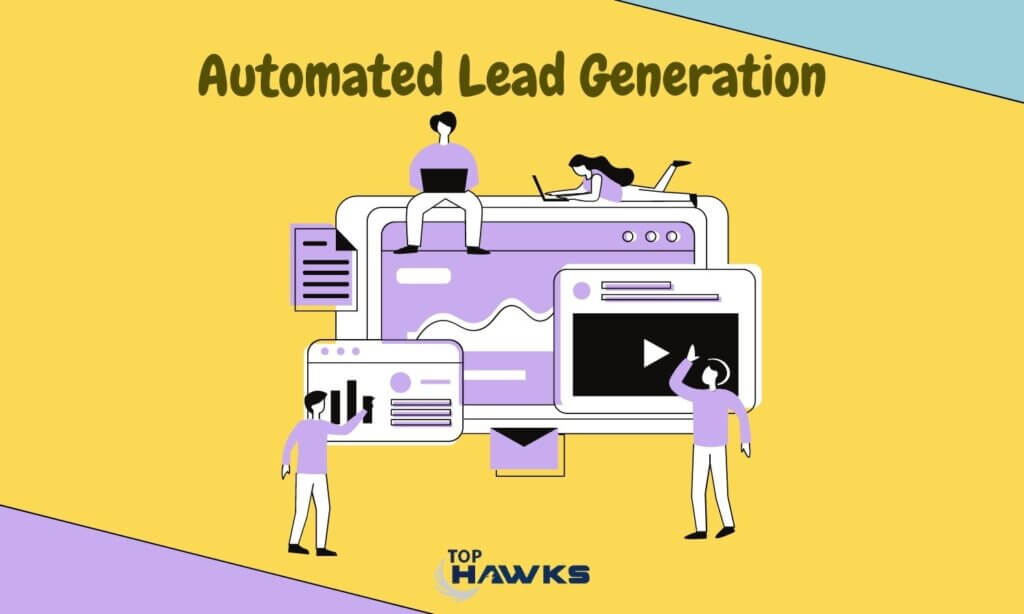
Lead generation is a fundamental part of the sales process. Implementing automated lead generation techniques, such as using lead capture forms on websites, leveraging social media advertising, or utilizing marketing automation tools, can streamline the lead qualification process and ensure a steady flow of potential customers.
4.2. CRM Integration
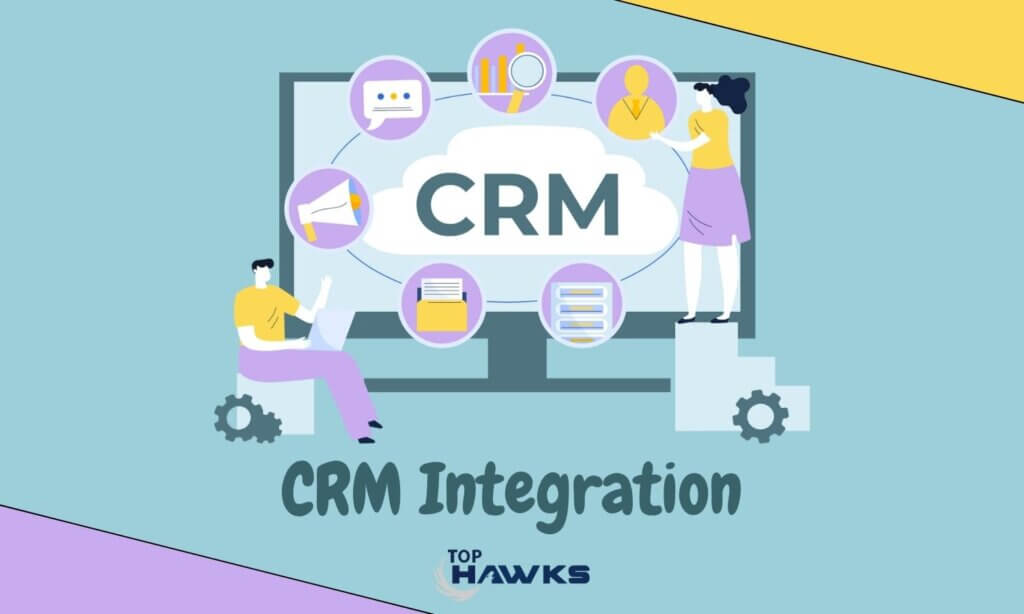
Integrating customer relationship management (CRM) software with other sales tools and platforms centralizes customer data and streamlines the sales process. A well-integrated CRM enables sales teams to access up-to-date information, track interactions, and manage customer relationships more effectively.
4.3. Automated Follow-ups and Reminders
Following up with leads and prospects is crucial for nurturing relationships and closing deals. Automating follow-up emails, reminders, and notifications ensures that no leads slip through the cracks and improves sales team efficiency.
5. Enhancing Collaboration and Communication
Collaboration and communication are vital for a streamlined sales workflow. By fostering a collaborative environment and leveraging technology, sales teams can work seamlessly, share information in real-time, and provide better support to customers.
5.1. Centralized Sales Platform
Having a centralized sales platform where all team members can access and update relevant information is essential for collaboration. This platform can be a CRM system, project management software, or a dedicated sales enablement tool that provides a centralized hub for sales-related activities.
5.2. Real-time Reporting and Updates
Real-time reporting and updates enable sales teams to stay informed about the progress of deals, changes in customer requirements, and any other relevant information. This facilitates effective decision-making, improves response times, and enhances overall productivity.
5.3. Streamlined Communication Channels

Streamlining communication channels, such as using instant messaging tools or project management software, ensures that information flows smoothly within the sales team. By reducing reliance on email and promoting quick, direct communication, sales professionals can address queries and resolve issues promptly.
6. Optimizing Sales Workflows for Different Stages
Sales workflows vary depending on the stage of the sales cycle. Optimizing workflows for each stage helps sales teams deliver a personalized and effective experience to prospects and customers.
6.1. Prospecting and Lead Qualification

During the prospecting and lead qualification stage, it is essential to have efficient processes for identifying and qualifying potential customers. This may involve using data-driven lead scoring methods, conducting thorough research, and leveraging automation tools to streamline the process.
6.2. Sales Pitch and Proposal

Crafting compelling sales pitches and proposals requires a streamlined workflow that ensures consistency, accuracy, and timeliness. Providing sales teams with templates, access to relevant collateral, and tools for creating professional proposals simplifies the process and increases efficiency.
6.3. Closing and Follow-up

The closing stage is critical for converting leads into paying customers. A streamlined workflow for closing deals includes clear handover processes, standardized contract templates, and automated follow-up mechanisms to ensure a smooth transition and timely customer onboarding.
7. Tracking and Measuring Success
To optimize sales workflows continuously, it is essential to track and measure success using key performance indicators (KPIs) and analytics.
7.1. Key Performance Indicators
Defining and monitoring KPIs, such as conversion rates, average deal size, and customer acquisition cost, provides insights into the effectiveness of sales workflows. Regularly reviewing these metrics helps identify areas that require improvement and supports data-driven decision-making.
7.2. Analytics and Reporting

Leveraging analytics and reporting tools provides a deeper understanding of sales performance and customer behavior. Analyzing data related to customer interactions, sales cycles, and revenue trends allows businesses to optimize workflows based on accurate insights.
8. Overcoming Challenges and Adapting
Implementing a streamlined workflow may face challenges, such as resistance to change and unforeseen obstacles. Overcoming these challenges requires proactive measures and continuous evaluation and improvement.
8.1. Addressing Resistance to Change
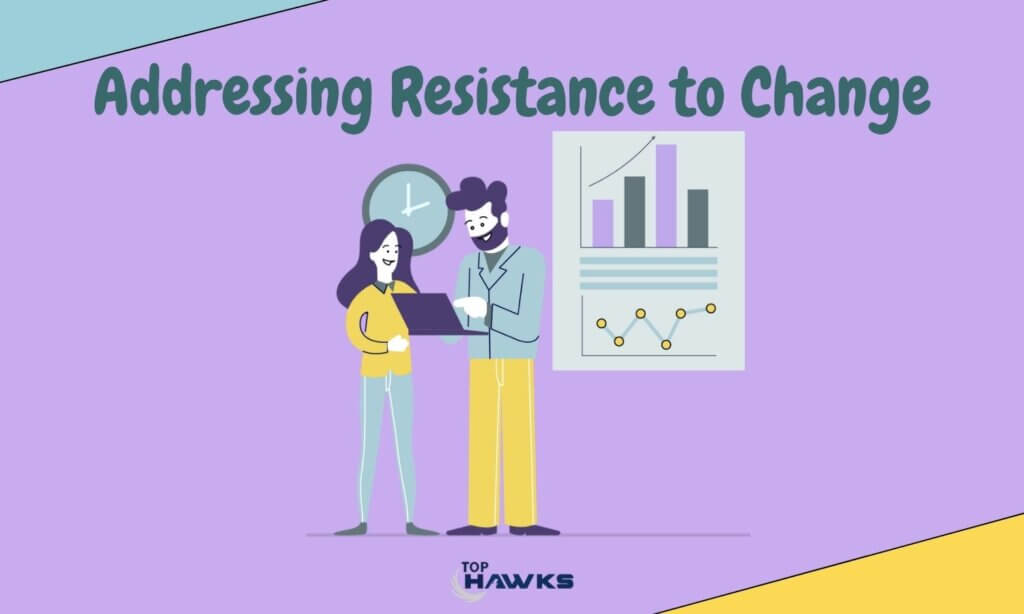
Change can be met with resistance from sales teams accustomed to existing processes. Providing proper training, highlighting the benefits of the new workflow, and involving team members in decision-making can help address resistance and facilitate smoother transitions.
8.2. Regular Evaluation and Improvement

Sales workflows should be regularly evaluated to identify areas for improvement. Soliciting feedback from the sales team, monitoring performance metrics, and staying updated with industry best practices enables businesses to adapt their workflows and ensure continuous optimization.
Sales Workflow Optimization: 8-Step Reference Summary
| # | Step | What It Involves | Key Tool / Action |
|---|---|---|---|
| 1 | Understand Workflow Importance | Recognize that removing inefficiencies lets the sales team focus on revenue-generating activities rather than administrative tasks | Sales team time audit — map how time is currently spent vs. how it should be spent |
| 2 | Identify Bottlenecks | Analyze sales data, communication channels, and tools to find the steps where deals stall, errors occur, or time is wasted | Review conversion rates, average cycle length, and win/loss data by stage to pinpoint the specific bottleneck |
| 3 | Implement Automation | Automate lead generation, CRM data entry, follow-up sequences, and reminder notifications to eliminate manual repetition | Marketing automation platform for lead capture; CRM for pipeline management; email automation for follow-ups |
| 4 | Enhance Collaboration | Establish a centralized platform for shared data; implement real-time reporting; replace email chains with direct communication tools | CRM shared workspace, project management software (e.g. Slack + Trello, or an integrated sales enablement tool) |
| 5 | Optimize Stage-Specific Workflows | Tailor processes for prospecting, pitch/proposal, and closing — each stage has different information, tool, and handover requirements | Lead scoring criteria for prospecting; proposal templates and collateral library for pitch; contract templates and onboarding triggers for closing |
| 6 | Track KPIs and Measure Success | Define meaningful KPIs; use analytics tools to monitor trends; review data regularly to identify underperforming workflow stages | Dashboard reporting on conversion rate, average deal size, CAC, and cycle length — reviewed in weekly or bi-weekly team sessions |
| 7 | Address Resistance to Change | Manage team pushback through training, transparent communication of benefits, and involving reps in workflow design decisions | Change management plan: brief pilot with early adopters → share results → full rollout with training and documented rationale |
| 8 | Evaluate and Continuously Improve | Conduct regular workflow reviews using performance data, team feedback, and industry benchmarks to identify the next optimization cycle | Quarterly workflow retrospectives with documented action items; ongoing monitoring of KPI trends between reviews |
Stage-Specific Sales Workflow Checklist
| Sales Stage | Key Workflow Requirements | What Good Looks Like |
|---|---|---|
| Prospecting & Lead Qualification | Defined ICP; data-driven lead scoring criteria; automated lead capture; consistent qualification framework (e.g. BANT or MEDDIC) | Only sales-ready leads enter the active pipeline; reps spend no time manually researching unqualified contacts; lead quality is consistent regardless of who qualifies them |
| Sales Pitch & Proposal | Standardized proposal templates; centralized collateral library; clear approval process for non-standard terms; CRM-linked proposal tracking | Proposals sent within 24 hours of qualification; consistent formatting and pricing across all reps; proposal status visible to manager in real time without asking the rep |
| Closing & Follow-up | Standardized contract templates; defined handover process from sales to customer success; automated post-close onboarding triggers; follow-up sequence for lost deals | Contracts sent within 24 hours of verbal agreement; customer success team briefed before the deal closes, not after; no new customer waits more than 48 hours for onboarding contact |
9. Conclusion
A streamlined workflow is a key driver for optimizing sales processes and achieving better results. By identifying bottlenecks, implementing automation, enhancing collaboration, and continuously evaluating performance, businesses can optimize their sales workflows and drive growth.
10. FAQs

Q1. How can a streamlined workflow improve sales efficiency?
A streamlined workflow eliminates unnecessary steps, automates repetitive tasks, and improves collaboration, allowing sales teams to focus on high-value activities that drive revenue.
Q2. What are some common bottlenecks in the sales process?
Common bottlenecks in the sales process include inefficient lead generation, poor communication channels, and reliance on manual data entry.
Q3. How can automation enhance sales workflows?
Automation can enhance sales workflows by automating lead generation, integrating CRM systems, and automating follow-ups and reminders, saving time and reducing errors.
Q4. Why is collaboration important in sales workflows?
Collaboration facilitates seamless information sharing, better support for customers, and improved team productivity, leading to more effective sales outcomes.
Q5. How can businesses measure the success of their optimised sales workflows?
Businesses can measure success by tracking key performance indicators (KPIs), analysing sales data, and leveraging analytics tools to monitor conversion rates, deal velocity, and revenue contribution, enabling data-driven decisions about where to optimise further.
Frequently Asked Questions: Optimizing Sales Workflows
Trusted by 500+ Clients






Get in Touch
We are here for you, and we are wearing our thinking caps