GSB Board (Glow Sign Board) Installation: How It Builds Your Business Identity
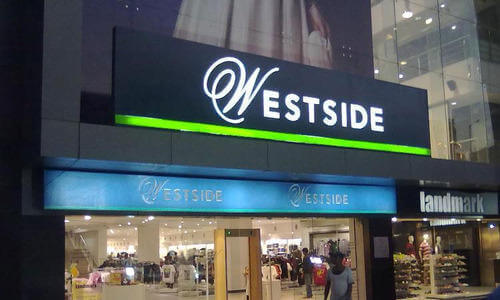
LED glow sign board for retail branding and visibility enhancement.

Quick Answer

A GSB board — short for Glow Sign Board — is an illuminated signage unit installed on the exterior of shops, franchise stores, offices, showrooms, and outlets to display a brand's name, logo, tagline, and contact information. It is the most visible and immediate form of brand identity for any physical business location: a well-designed GSB board communicates what the business is, who it serves, and where it is — readable by passing customers both day and night. The three main types are: LED glow sign boards (energy-efficient, long-life LED backlighting — the most durable and premium option); ACP (Aluminium Composite Panel) sign boards (flat, lightweight panels with vinyl or digital print facing — low cost, high visual quality); and flex/backlit sign boards (translucent flex material with internal lighting — cost-effective for large-format outdoor branding). TopHawks designs, produces, and installs GSB boards across India as part of its RWA branding and retail visibility programmes, trusted by 500+ brands including Airtel, Daikin, and Cars24.

GCD BoardMarketing is a long term process focussed at satisfying the needs and wants of the customers by analysing, designing, producing and delivering products and services to the customers at a competitive price. It also aims at developing long term customer relationship by delivering superior customer values.

Every business be it big or small needs to own office space for carrying out operations and at times businesses need to open chain stores and branches in order to expand and diversify the operations. Every business needs an identity and that identity comes in the form of a brand name and brand label. Every business has to devote sufficient attention and resources towards designing a unique brand name and label. Branding gives the business a unique identity in the minds of the customers. Because of the intense competition, businesses need to leave a lasting impact on the mind of the customers.

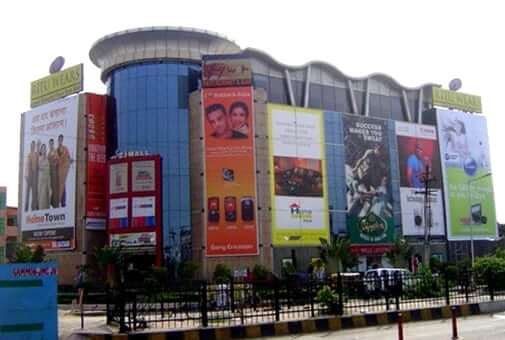
For that, almost every business uses a GSB board to display its brand name and logo in front of the chain store or franchise stores. Through GSB boards, businesses try to create an identity for themselves in the minds of the customers. GSB boards contain the name of the brand and its logo and probably the address and contact details through which the customers can read and be sure about the business.

Types of GSB (Glow Sign Board) — Comparison Guide

#TypeMaterial & ConstructionBest ForTypical LifespanApprox. India Cost Range
1LED Glow Sign BoardAluminium or steel frame with LED strip or module backlighting behind acrylic or polycarbonate facing; letters may be cut-out or raisedRetail showrooms, telecom outlets, premium franchise stores, bank branches — anywhere brand premium matters5–10 years (LED modules); low maintenance cost₹800–₹2,500 per sq. ft. depending on finish, city, and illumination density
2ACP (Aluminium Composite Panel) Sign BoardTwo thin aluminium sheets bonded to a polyethylene core; front face printed with vinyl or UV digital print; optionally backlitShop frontages, kirana store upgrades, real estate offices, small and medium businesses — high visual quality at low cost3–7 years; print may fade in direct sun without UV laminate₹250–₹700 per sq. ft. — the most cost-effective option for high-quality flat signage
3Flex / Backlit Sign BoardTranslucent PVC flex material with digital print, stretched over a metal frame with internal fluorescent or LED tube lightingLarge-format outdoor branding, highway signage, temporary campaign boards, RWA gate boards, event signage1–3 years; flex material degrades faster than rigid substrates in outdoor exposure₹100–₹350 per sq. ft. — lowest cost per square foot for large-format illuminated outdoor displays
4Acrylic / Neon-Effect Sign BoardLaser-cut or CNC-routed acrylic letters and logos, edge-lit or face-lit with LED strips; may mimic neon glow with LED neon flexRestaurants, cafes, salons, boutiques, showrooms — lifestyle and premium brand environments where design aesthetics are part of the brand experience5–8 years; acrylic is UV-stable and weather-resistant₹1,000–₹3,500 per sq. ft. — the highest-cost option; used where design impact justifies the investment

GSB Board Installation Checklist: 6 Decisions Before You Commission

#DecisionWhat to DecideWhy It Matters for Brand Identity
1Size and ProportionDetermine the board's dimensions relative to the store frontage — standard practice is for the GSB to span 60–80% of the store width at a height that is visible from across the streetA board that is too small is invisible from a distance; one that is disproportionately large looks unprofessional — the right size creates dominant but credible brand presence
2Board Type and MaterialChoose between LED, ACP, flex/backlit, or acrylic based on brand positioning, location exposure (indoor vs outdoor, weather exposure), and budgetThe material signals brand quality — a premium telecom outlet with a flex board looks under-invested; a local services store with a costly acrylic board is over-invested relative to its audience
3Content HierarchyDecide which elements appear on the board and in what priority order — brand logo (always first), brand name, tagline (optional), category descriptor ("Authorised Service Centre," "Franchise Store"), contact number or address (if space allows)The logo and name must be readable at a glance from the road — adding too many information elements reduces the legibility of all of them; less content, read more clearly, builds stronger identity
4Colour and Brand ConsistencyUse the brand's exact Pantone or hex colour codes for background and text — do not substitute "similar" colours because the production cost is the same and the brand consistency value is significantly higherColour is the fastest brand recognition signal — Airtel's red, Daikin's blue, KFC's red-and-white are immediately recognizable because they are reproduced with consistency across every outlet board nationally
5Font and LegibilityUse the brand's standard typeface; if no typeface is specified, choose a sans-serif font at a weight that is legible at the expected viewing distance (minimum letter height of 15 cm for every 10 metres of viewing distance)Decorative or condensed fonts may look premium at close range but become unreadable from a moving vehicle — a GSB board that cannot be read at road speed fails its primary function
6Placement and PermissionsConfirm installation height, projection angle, and illumination direction — and check local municipal guidelines on signage size, illumination intensity, and advertisement tax requirements before fabricationA GSB installed without municipal compliance may be removed by local authorities — not only destroying the branding investment but creating a negative brand visibility event at the outlet location

GSB board designing is very important for every business. Modern day businesses use technology and LED lights in order to make their GSB board unique and customer friendly. A normal printed GSB board shall work well during the day time when there is an abundance of light but the basic printed version does not work well during the night time when there is a lack of light.

Businesses devote resources for developing a perfect GSB board layout which is different from that of the competitor and perfectly describes the agenda and goals of the business. The GSB board works as an immediate identity for all the customers looking for a particular brand. For example, every person in India be it literate or illiterate identify with the Pepsi logo and that’s what modern day businesses should focus on nowadays. By creating a perfect GSB board with the perfectly designed brand name and a brand logo along with the perfect placement and layout will immensely help the business to create a lasting impact and a long term identity in the minds of the customers.

Brand recognition shall relate with maximum sales and shall eventually lead to maximisation of the profits. That’s what firms are looking for nowadays. Perfect planning shall help the firm to achieve the long term goals of profit maximisation.

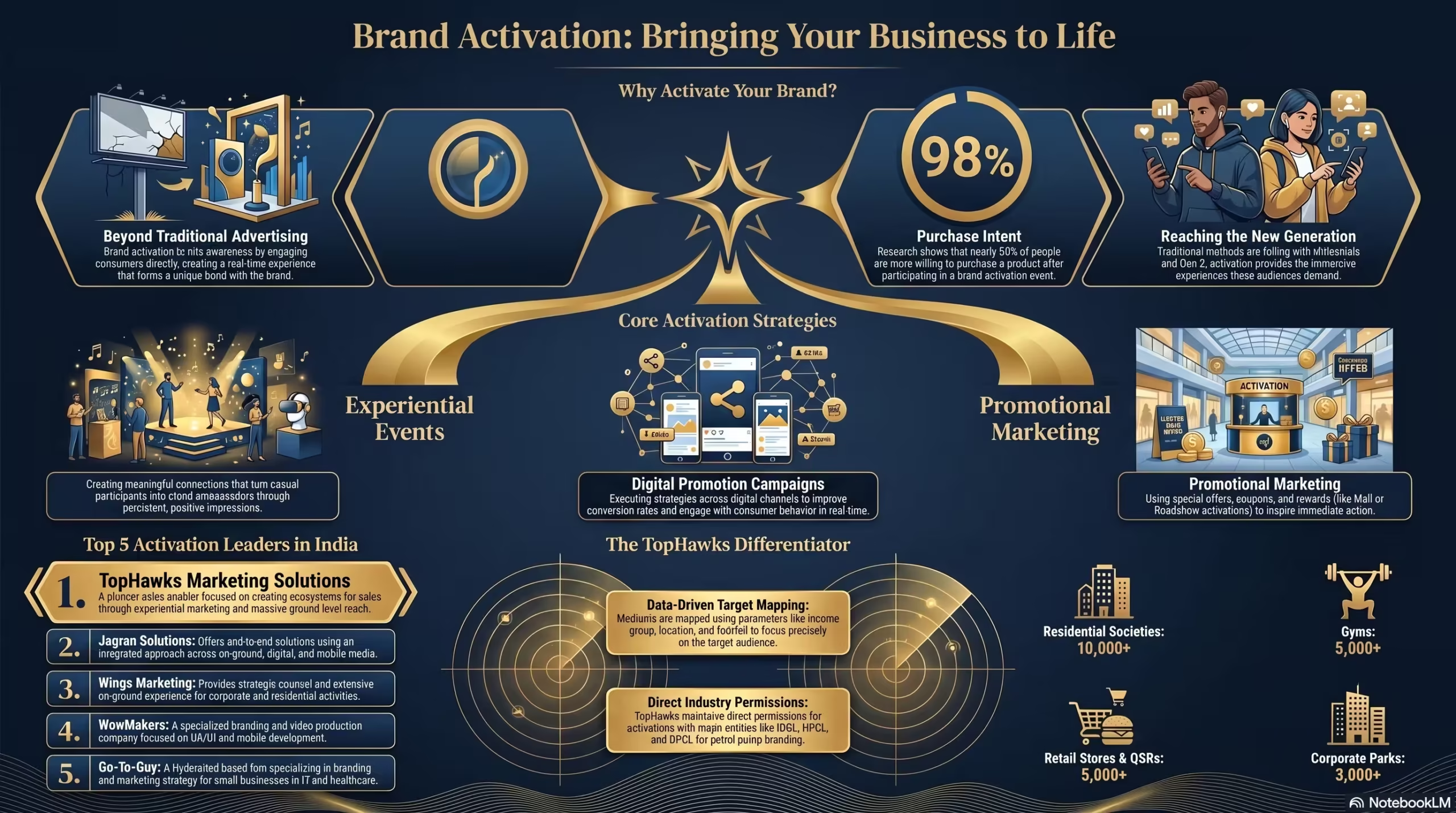
One of the leading organisations assisting the businesses in marketing their products in an effective manner is Top Hawks. It assists the clients throughout the process. With our highly qualified and goal oriented workforce, Top Hawks delivers quality results to clients. Client satisfaction is our first priority and with our services like market research, mystery shopping and e-commerce support services. We are a one stop solution for all your business needs.

Frequently Asked Questions: GSB Board (Glow Sign Board) Installation

What is a GSB board (Glow Sign Board) and what is it used for?

A GSB board — which stands for Glow Sign Board — is an illuminated signage unit installed on the exterior façade of a shop, franchise store, showroom, office, or any other business premises to display the brand's name, logo, and essential information. It is the primary visual identity marker for a physical business location: unlike window displays or in-store branding, a GSB board is visible from the road, readable at a distance, and works as a 24-hour passive marketing tool — attracting customers during the day through colour and design, and at night through its illumination. In Indian retail and commercial real estate, GSB boards (also called glow sign boards, sign boards, or shop boards) are installed across virtually every category of business — from telecom retailers and electronics showrooms to pharmacies, banks, restaurants, franchise outlets, and coaching centres. For franchise brands operating across multiple cities, the GSB board is often the most standardized and compliance-checked element of the outlet setup, because a consistent board design across all outlets is one of the most powerful brand recognition tools available.

What is the difference between an LED glow sign board, an ACP sign board, and a flex backlit board?

The three most common GSB board types in India differ in material, cost, lifespan, and visual quality. An LED glow sign board uses LED modules or strip lighting behind an acrylic or polycarbonate facing, often with aluminium or steel framing — it is the most premium, most durable option with a lifespan of 5–10 years and the lowest ongoing electricity cost. It is the standard choice for franchise outlets, telecom retailers, electronics showrooms, and any brand where visual premium matters. An ACP (Aluminium Composite Panel) sign board uses two thin aluminium sheets bonded to a plastic core, with a digital print or vinyl applied to the front face — it is flat, lightweight, and cost-effective, typically not internally lit (though it can be backlit), with a lifespan of 3–7 years. It is the most widely used option for small and medium businesses where high visual quality is needed at a lower budget. A flex backlit board stretches a printed translucent PVC flex material over a frame with internal tube or LED lighting — it is the lowest cost per square foot, best suited for large-format outdoor displays, temporary campaign boards, and RWA gate boards where size matters more than longevity. Its outdoor lifespan is typically 1–3 years. The right choice depends on the brand's positioning, the outlet's location and weather exposure, and the installation budget.

How much does GSB board installation cost in India?

GSB board installation costs in India vary by board type, size, city, material quality, and whether the engagement includes design, fabrication, and installation together or separately. As a general reference: flex backlit sign boards typically cost ₹100–₹350 per square foot for fabrication and basic installation; ACP sign boards typically cost ₹250–₹700 per square foot depending on print quality and frame construction; LED glow sign boards typically cost ₹800–₹2,500 per square foot for standard LED module backlighting with aluminium frame and acrylic face; acrylic or neon-effect boards with cut-out LED lettering typically cost ₹1,000–₹3,500 per square foot. For a typical shop front board of 10 square feet, this means a total cost range of roughly ₹2,500 (basic flex) to ₹25,000+ (premium LED with custom lettering). Additional costs include structural mounting hardware, electrical wiring, municipal advertisement tax (charged annually by local bodies such as MCGM in Mumbai or BBMP in Bangalore), and, for franchise networks, the project management fee for coordinating installation across multiple outlets simultaneously. For brands deploying GSB boards across 10+ locations, engaging a specialist agency like TopHawks significantly reduces per-unit cost through bulk fabrication and coordinated installation logistics.

Do I need municipal permission for GSB board installation in India?

Yes — most Indian municipal corporations require businesses to obtain permission for outdoor signage including GSB boards, and to pay an annual advertisement tax. The specific rules, fees, and size restrictions vary by city and municipal body: the Bruhat Bengaluru Mahanagara Palike (BBMP) in Bangalore, the Municipal Corporation of Greater Mumbai (MCGM), the Municipal Corporation of Delhi (MCD), and equivalent bodies in other cities all have signage policies that govern maximum board dimensions, permissible illumination intensity, projection distance from the building face, and content restrictions. Non-compliant boards — those installed without permission, exceeding size limits, or violating illumination rules — are subject to removal by municipal enforcement teams, which generates not only a financial loss (the cost of the board) but a negative brand event at the outlet. For single-location businesses, the permission process is typically straightforward: the business owner submits a signage application with board dimensions and design to the local ward office and pays the applicable fee. For brands deploying boards across multiple cities simultaneously, working with an agency that has local municipal compliance experience in each city eliminates the risk of non-compliant installation across the network. TopHawks manages municipal compliance as part of its multi-city GSB installation programmes.

How long does GSB board installation take from design to completion?

The timeline for GSB board installation from brief to completed installation typically runs 7–21 working days for a single location, depending on the board type and complexity. A standard timeline for a single ACP or flex board in the same city as the fabrication vendor is: design approval (1–3 days), fabrication (3–7 days), site survey and municipal paperwork if required (2–5 days, can run in parallel with fabrication), and physical installation (1 day). LED boards with custom cut-out lettering or complex structures take longer to fabricate — typically 10–14 days from design sign-off. For multi-location deployments across multiple cities — such as a franchise network opening 20 new outlets simultaneously — the timeline requires centralized design and artwork sign-off (ensuring brand consistency), city-by-city fabrication with approved local vendors, and coordinated installation scheduling. Multi-city deployments of this type are typically managed in batches of 5–10 locations per week with a project management layer tracking installation completion and photographic proof at each site. TopHawks provides photo-proof-of-execution reporting as standard for all multi-location GSB installation programmes.

How does GSB board installation work for franchise networks and dealer outlets across India?

For franchise networks and dealer outlet programmes in India, GSB board installation works as a standardized, centrally managed process to ensure that every outlet presents a consistent brand identity regardless of city, landlord constraints, or local fabrication quality. The process typically works as follows: (1) The brand provides a master design template — artwork, colour codes, logo files, approved font, and size parameters — to the installation agency; (2) The agency conducts a site survey at each outlet location to confirm available wall space, structural fixing points, electricity access, and local municipal restrictions; (3) The agency produces location-specific fabrication briefs that adapt the master template to each site's actual dimensions while maintaining brand consistency; (4) Fabrication is managed through vetted local vendors in each city to reduce logistics cost; (5) Installation teams are dispatched with a site checklist, and photographic proof of completion (showing the installed board from the street viewpoint) is submitted per location. For national brands rolling out dealer visibility programmes — such as telecom companies branding thousands of retail partner stores, or FMCG companies standardizing display materials at dealer outlets — this coordinated installation process is managed by specialist agencies. TopHawks has executed this type of programme for brands including Airtel, Daikin, and Cars24 across 15+ Indian cities.

What is a GSB board in the context of RWA branding?

In the context of RWA (Residential Welfare Association) branding, a GSB board refers specifically to the branded signage installed at the entry gate, noticeboard, or common-area display boards of a residential housing society. Unlike a retail GSB board — which is installed by a business to identify its own premises — an RWA GSB board is typically installed by a brand as an outdoor advertising placement within the residential community, targeting the residents of that society as the audience. RWA gate branding using GSB boards is a popular BTL (Below-The-Line) marketing channel in India because it places a brand's identity in a captive, high-dwell-time environment: residents pass the gate board every day and process the brand message through repeated, low-effort exposure. Common advertisers on RWA GSB boards include local service businesses (gyms, clinics, tutoring centres), real estate brands, fintech and insurance companies, and FMCG brands running hyper-local activation campaigns. TopHawks manages RWA branding programmes across Delhi NCR, Mumbai, Bangalore, Chennai, Hyderabad, and other cities — including GSB board design, fabrication, installation at RWA gates, and periodic refresh and maintenance.

How does TopHawks handle GSB board installation across India?

TopHawks handles GSB board installation as part of its broader retail visibility and RWA branding services — managing the full process from design brief to installed and photo-verified board across single locations and large multi-city franchise programmes. The service covers design adaptation (ensuring brand artwork is correctly reproduced for the board type and dimensions), vendor-managed fabrication using city-local production partners (reducing transport cost and lead time), on-site installation with structural and electrical compliance, photographic proof of execution submitted per location, and optional periodic maintenance and refresh programmes for boards installed as part of ongoing brand visibility contracts. TopHawks has executed glow sign board and in-shop branding programmes for clients including Cars24 (RWA branding and glow sign board installation across multiple locations) and Airtel (dealer outlet branding across 15+ cities). The agency's on-ground teams operate across Delhi, Mumbai, Bangalore, Chennai, Hyderabad, Kolkata, Jaipur, Bhopal, Pune, Chandigarh, Lucknow, Patna, and Ranchi — making it one of the few agencies in India capable of managing consistent GSB board installation quality across tier-1 and tier-2 cities simultaneously. A free consultation is available to scope GSB board requirements for single or multi-location installation programmes.

Trusted by 500+ Brands

Reliance Jio
AO Smith Logo
Jmitra logo
Sunanda Global

Contact Us

Customer support agent wearing headset on smartphone.