The Importance of Retail Visual Merchandising (2026)
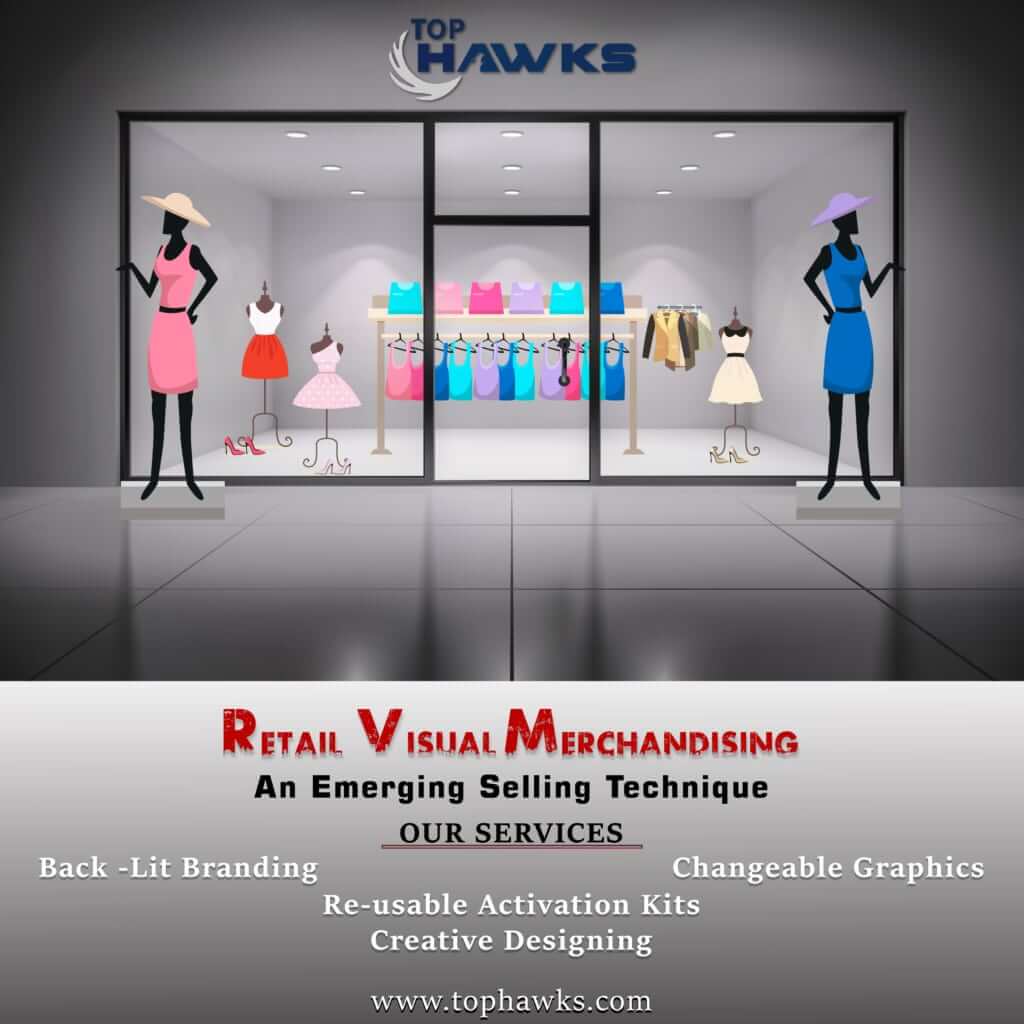
Everyone who is aware of the food and hotel industry knows the very famous saying that you eat with your eyes first. The phrase puts emphasis on the presentation of the food on the plate which shall lure the person to eat it. A similar concept is very popular in the marketing sector know as retail visual merchandising. As the name suggests, it involves the creation of 3-D real life like copies of the product by the marketers so that the customers can see what the actual product looks like.
Quick Answer
Retail visual merchandising is the practice of presenting products and designing in-store environments — through displays, layout, lighting, signage, and window arrangements — to attract customers, guide purchasing decisions, and reinforce brand identity. The 6 core techniques are: window displays (the first impression for passing foot traffic), store layout (directing customer movement through the space), product placement (eye-level and cross-sell positioning), lighting (directing attention and creating atmosphere), signage and POP materials (communicating price, offers, and product features), and in-store POS displays (driving impulse purchase at the point of decision). For retail brands, the key benefits are: increased foot traffic conversion, higher average transaction value, stronger brand differentiation, improved customer experience, and faster new product visibility. In India, visual merchandising is critical across FMCG general trade, modern trade, consumer electronics, apparel, and QSR — and is executed either by in-house teams or specialist agencies like TopHawks, which provides end-to-end visual merchandising services across 15+ Indian cities.
Retail visual merchandising is very important for making the customers aware of the size, features and look of the product so that they can make an informed decision.
Aim of marketing using Retail Visual Merchandising
The main aim of marketing is to create superior customer relations and by using Retail Visual Merchandising, the marketer can ensure that the customers are fully aware of the product and superior customer relations can establish. The most common use of it is in the mobile phone industry wherein all the retail stores offer dummy copies of the mobile phones so that the user can feel and observe the features of the smartphones before deciding on the purchasing decision. This method is also very popular in kiosk marketing where marketers make available real life like copies of their products in order to get very valuable customer feedback.
Major Disadvantage of retail visual merchandising
One major disadvantage of using it is that it involves use cost and time efforts from the part of the company, therefore, these methods are not very feasible for medium and small enterprises.
Role of Tophawks:
“One of the leading organisations assisting the businesses in effectively marketing their products is Top Hawks.”
It assists the clients throughout the process.
With our highly qualified and goal-oriented workforce, Top Hawks delivers quality results to clients. Client satisfaction is our first priority and with our services like
“We are a one stop solution for all your business needs.”
6 Core Retail Visual Merchandising Techniques
Effective retail visual merchandising draws on a consistent set of proven techniques. Each technique influences a different moment in the customer journey — from first noticing the store to reaching for a product on the shelf.
1. Window Displays
Window displays are the retailer's first point of contact with a potential customer — before they enter the store. An effective window display communicates brand identity, current promotions, and product range in seconds. In Indian retail, particularly in apparel, jewellery, and electronics, window displays are a primary driver of footfall conversion from passing traffic. The display must change regularly (seasonally or campaign-aligned) to avoid habituation — a static window loses its stopping power within weeks.
2. Store Layout and Traffic Flow
Store layout determines the path customers take through the retail environment — and therefore which products they encounter. Common layout strategies include the grid layout (used in grocery and FMCG retail for systematic browsing), the loop layout (used in large-format stores and QSR to move customers past maximum product exposure), and the free-flow layout (used in boutique and lifestyle retail to create discovery-led browsing). In Indian modern trade and hypermarkets, layout decisions directly determine which brands get category visibility versus which are passed without notice.
3. Product Placement and Planogramming
Where a product sits on the shelf is one of the highest-impact merchandising decisions a brand can make. Eye-level placement (approximately 120–150 cm from the floor) consistently outperforms placement at knee or top-shelf level. Cross-merchandising — placing complementary products adjacent to each other (biscuits next to tea, phone cases next to handsets) — increases basket size. In Indian general trade, planogram compliance is a persistent execution challenge: brands that actively audit and correct shelf placement see measurably higher off-take than brands that rely on trade-managed placement.
4. Lighting
Lighting directs customer attention, creates atmosphere, and influences how products are perceived. Accent lighting draws the eye to hero products, new arrivals, or high-margin items. Warm lighting in apparel and jewellery retail creates an aspirational atmosphere; cool white lighting in electronics and pharmaceutical retail communicates precision and reliability. In Indian modern trade environments, brands that negotiate co-branded lighting at display units — rather than relying on ambient store lighting — see stronger visual standout against competing SKUs.
5. Signage and Point-of-Purchase (POP) Materials
Signage communicates price, promotions, product features, and brand messaging at the point of purchase decision. Effective POP materials — shelf talkers, wobblers, hanging danglers, category headers, and floor stickers — reinforce the product's value proposition in the final seconds before a customer picks it up or passes. In India, POP material compliance at the retail level is notoriously inconsistent: materials are frequently displaced, outdated, or absent. Regular visual merchandising audits — checking that correct, current POP is in place — are essential for brands running national retail campaigns.
6. In-Store and POS Display Units
Branded display units — gondola end-caps, free-standing display units (FSDUs), counter displays, and checkout-area impulse fixtures — provide dedicated, brand-controlled real estate within a retailer's space. Unlike shelf placement, a well-designed and well-positioned display unit creates a mini brand environment that can compete even in cluttered retail settings. For product launches and seasonal campaigns in Indian modern trade and electronics retail, securing display unit placement and ensuring it is correctly built and consistently maintained is often the difference between a campaign that delivers visibility and one that doesn't.
5 Key Benefits of Retail Visual Merchandising
- Increased footfall conversion: Effective window displays and store entrance merchandising convert passing foot traffic into store entrants — the first step in the path to purchase. In competitive retail corridors, visual merchandising quality is frequently the decisive factor in whether a customer enters one store over the adjacent competitor.
- Higher average transaction value: Strategic product placement, cross-merchandising, and impulse fixtures at the checkout consistently lift basket size. Complementary product groupings prompt unplanned purchases that add to transaction value without requiring a sales interaction.
- Stronger brand differentiation: In modern trade environments where competing products share the same shelf, visual merchandising is the primary way a brand communicates its identity and premium positioning without direct salesforce involvement. Brands that invest in consistent, high-quality in-store display materials are systematically perceived as higher-quality than brands that rely on generic shelf presence.
- Improved customer experience and dwell time: A well-merchandised store is easier and more enjoyable to navigate — customers spend longer in environments that are visually coherent, clearly signposted, and aesthetically appealing. Increased dwell time directly correlates with higher purchase probability and stronger brand recall post-visit.
- Faster new product visibility: Visual merchandising is the fastest way to communicate a new product or campaign to the in-store customer. A correctly placed and maintained launch display drives new product trial by putting the product in front of customers before they know to look for it — essential for first-purchase conversion in competitive FMCG and electronics categories.
Visual Merchandising in Indian Retail: A TopHawks Example
A consumer electronics brand launching a new product line across modern trade chains in Delhi, Mumbai, and Bangalore needed consistent, brand-compliant display units across 200+ outlets simultaneously — and the execution reliability to ensure that displays were correctly built, correctly positioned, and undisturbed by competing brands within the first 72 hours of launch. TopHawks deployed trained visual merchandisers across all three cities in a coordinated launch window, photographically documented display compliance at every outlet on day one, and provided a daily exception report flagging any stores where display standards had lapsed. By day three, 96% of outlets were at full visual compliance — a significantly higher rate than the brand's previous launch, which had relied on store staff for display execution. The brand attributed a measurable improvement in first-week new product trial to the uplift in display quality and consistency across the launch window.
Retail Visual Merchandising Checklist (10 Points)
Use this checklist to audit visual merchandising execution at any retail outlet:
- Window display is current (updated within the last 4 weeks), clean, and correctly lit.
- Store entrance is unobstructed and the hero product or current campaign is visible within the first 3 metres.
- Products are placed at eye level (120–150 cm) on primary shelves, with hero SKUs in the most prominent position.
- All shelf and display POP materials (talkers, wobblers, danglers) are current, correctly positioned, and undamaged.
- Cross-merchandised products are correctly co-located with their primary product category.
- Display units (FSDUs, end-caps, counter displays) are fully stocked and structurally intact.
- Price points are clearly visible and correctly reflect current pricing and active promotions.
- Lighting at display areas is functioning and correctly directed at hero products.
- Category signage is present, legible, and correctly positioned above or adjacent to the relevant section.
- Photographic compliance evidence has been submitted to the brand/agency on the same day as execution.
Frequently Asked Questions: Retail Visual Merchandising
Trusted by 500+ Clients








Get in Touch
We are here for you, and we are wearing our thinking caps