Retail Store Layout: How to Optimize for Maximum Sales (2026)
Quick Answer
Optimizing a retail store layout means designing the physical space — product placement, traffic flow, signage, lighting, and displays — to increase browsing time, reduce purchase friction, and maximize sales revenue. An optimized layout works across three interconnected pillars: understanding layout impact (how first impressions, consumer psychology, buying decisions, and brand perception are all shaped by the store environment); traffic flow and navigation (designing customer pathways that are logical and bottleneck-free, supported by well-placed merchandise, clear signage, and strategic use of lighting and colour); and merchandise placement and presentation (positioning high-margin products at eye level, using vertical and horizontal displays effectively, organizing by price and category, maintaining stock availability, and deploying eye-catching signage, themed displays, and interactive technology). Together, these elements transform a retail space into an environment that customers want to spend time in — and spend money in. TopHawks provides professional visual merchandising and retail display services across India, trusted by 500+ brands including Airtel, Daikin, and Deloitte.
Trusted by 500+ Clients




















Retail store owners and managers are always looking for new ways to boost sales and revenue. Marketing and advertising are important for getting people into the store, but the optimizing retail store layout of the store is just as important for turning visitors into customers.
A well-designed store layout can make shopping more enjoyable, make customers feel more involved, and ultimately lead to more sales.
This article will look at the key factors that retailers should consider when designing and optimizing retail store layout for maximum sales.
We will show retailers how to set up their stores in a way that is effective and profitable, from where to put products to how to use signs and displays.
1. Understanding the Importance of Optimizing Retail Store Layout
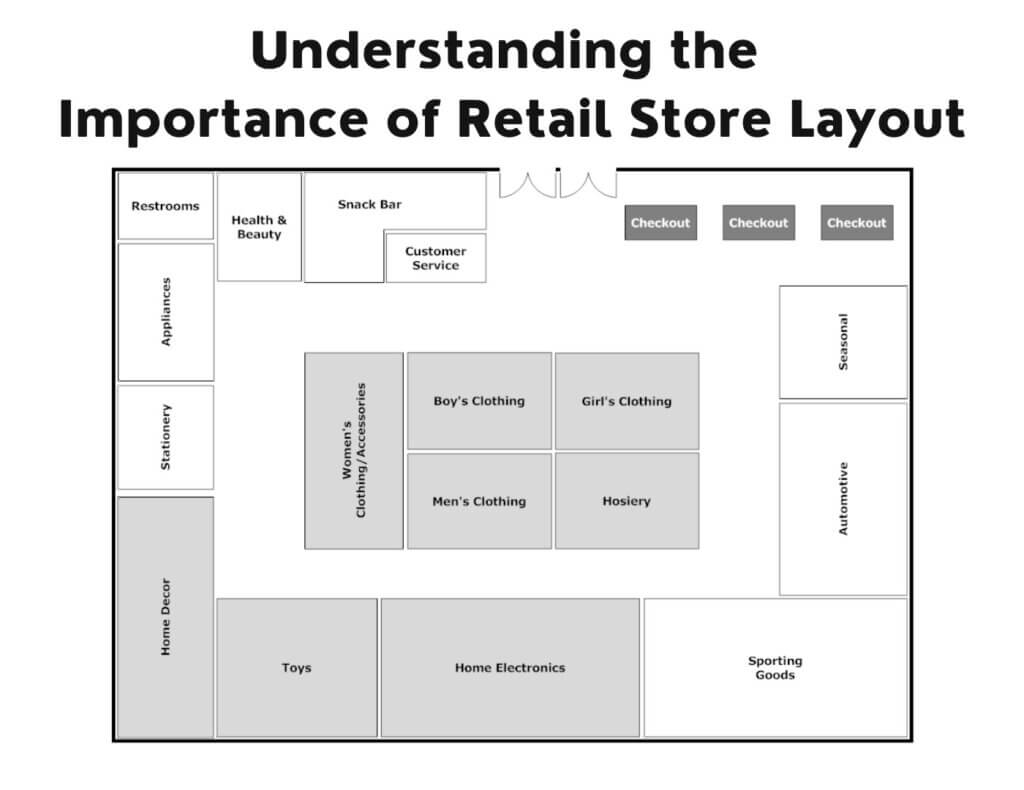
The retail store layout is a critical component of a successful business strategy.
A well-designed store layout can increase customer satisfaction, sales, and brand loyalty.
The layout influences customer behaviour by creating a positive environment that encourages customers to browse and make purchases.
Therefore, retailers must understand the importance of optimizing retail store layout and prioritize creating a strategic layout plan that maximizes sales and customer satisfaction.
The Psychology of Consumer Behavior
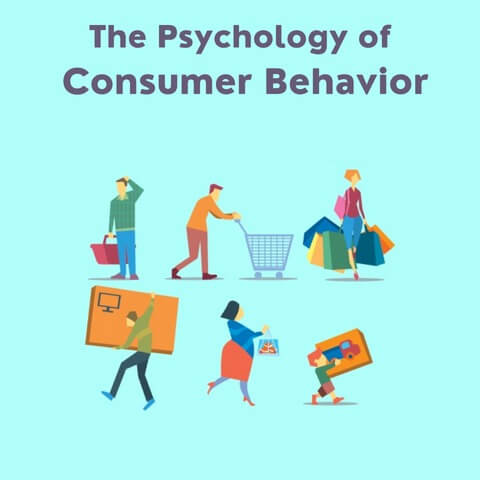
The psychology of consumer behaviour plays a significant role in retail store layout design.
Retailers need to know how their customers’ feelings and thoughts affect their decisions about what to buy, what products they like, and how often they shop.
By creating a store layout that takes into account these psychological factors, retailers can increase the likelihood of customers making a purchase and improve their overall shopping experience.
The Importance of First Impressions
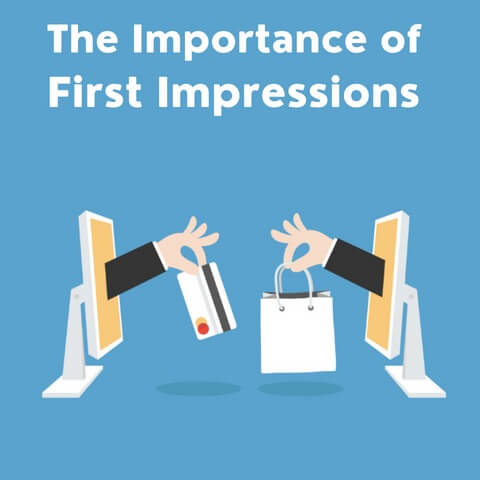
First impressions are crucial in retail store layout design.
A well-designed store entrance can give customers a good first impression and encourage them to go inside and look around.
An attractive and welcoming store entrance can also help set the tone for the shopping experience, making customers feel more relaxed and open to exploring the store further.
To make the shopping experience better for the customer as a whole, retailers should put a lot of effort into making the entrance look warm and inviting.
The Influence of Store Layout on Buying Decisions
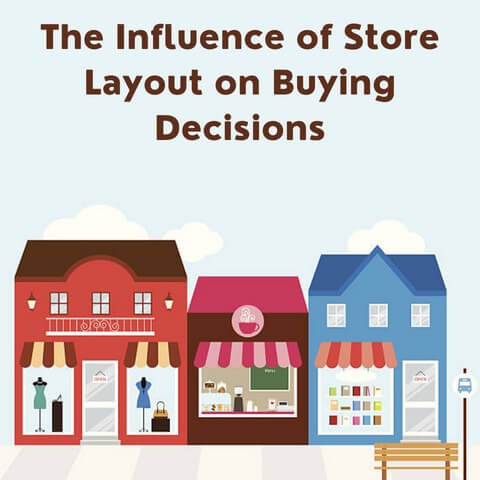
The store layout can significantly influence buying decisions by making products more visible and accessible to customers.
By strategically placing products in the store, retailers can increase the likelihood of customers making a purchase.
For example, placing high-margin products at eye level or near the checkout counter can increase their visibility and sales.
The layout can also influence customer behaviour by encouraging browsing and discovery of new products, leading to increased sales and customer satisfaction.
The Significance of Store Layout on Brand Perception
The store layout can also influence the customer’s perception of the brand.
A well-designed and visually appealing store layout can give customers a good impression of the brand, which can make them more loyal to the brand and happier with it.
The layout should show who the brand is and what it stands for so that the brand’s image is consistent and cohesive throughout the store.
Retailers should make it a priority to set up their stores in a way that fits with their brand identity so that customers have a better impression of the brand.
2. Store Traffic Flow and Navigation
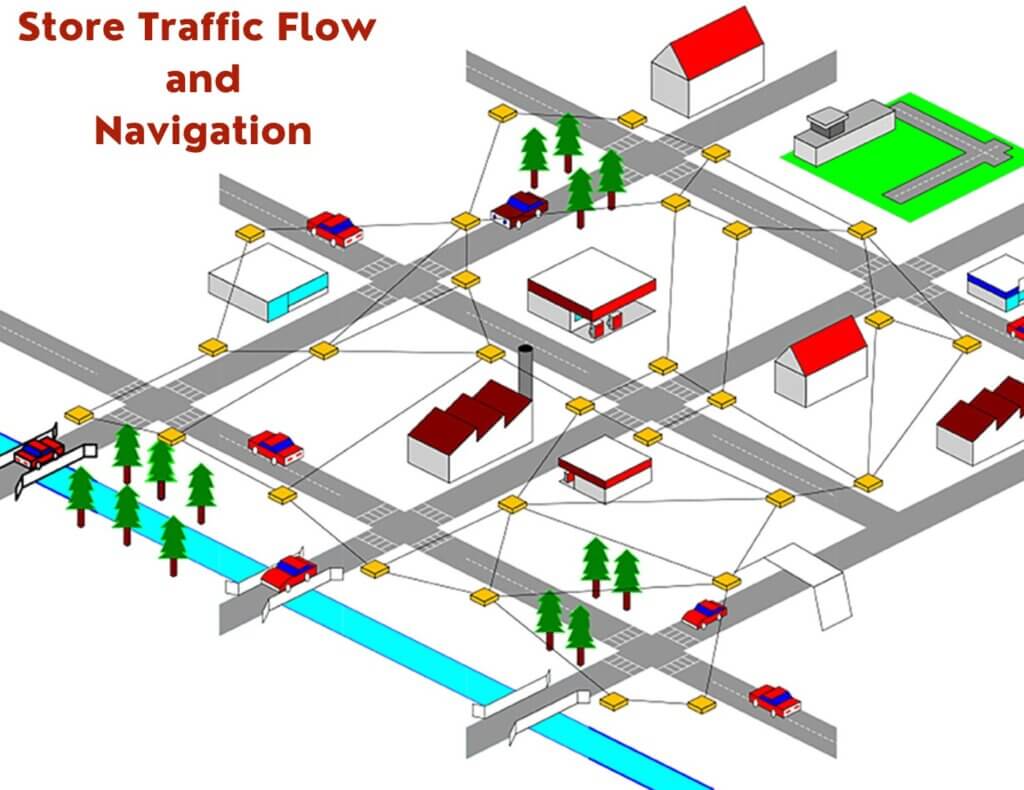
One of the key considerations for retail store layout is traffic flow and navigation.
A well-designed store layout should make it easy for customers to find their way around the store.
When setting up the store layout, retailers should think about the size of the store, the number of products, and the number of customers they expect.
Customers should be able to move through the store in a logical order that leads them to key products or interesting areas.
Retailers should also consider how to create a seamless shopping experience by avoiding bottlenecks or crowded areas that may cause frustration or deter customers from making purchases.
Merchandise Placement and Presentation
Merchandise placement and presentation are critical components of retail store layout.
The layout should highlight the most popular or high-margin products, making them easy to find and access.
Retailers should think about how to show off their products in a way that makes them look good and stands out from the rest.
The placement and presentation of products should also align with the customer’s needs and preferences, creating a personalized shopping experience that meets their expectations.
The Use of Signage and Displays
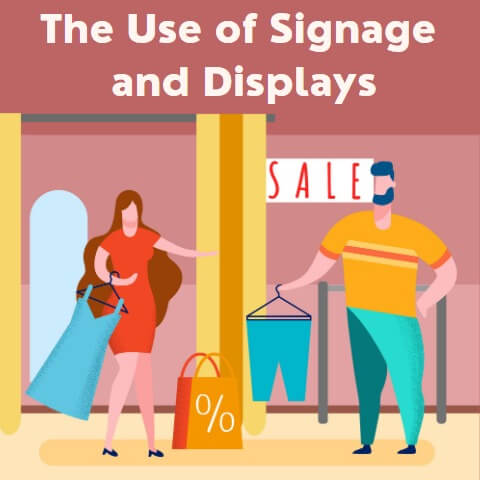
Signage and displays play a critical role in retail store layout.
They can help customers find their way around the store, draw attention to sales or promotions, and make shopping more visually appealing.
Retailers should think about where to put signs and displays and how to design them so that they fit with the store’s layout and brand image.
Also, the signs and displays should be easy to read and understand.
This will make shopping easy and encourage people to buy things.
The Impact of Lighting and Color
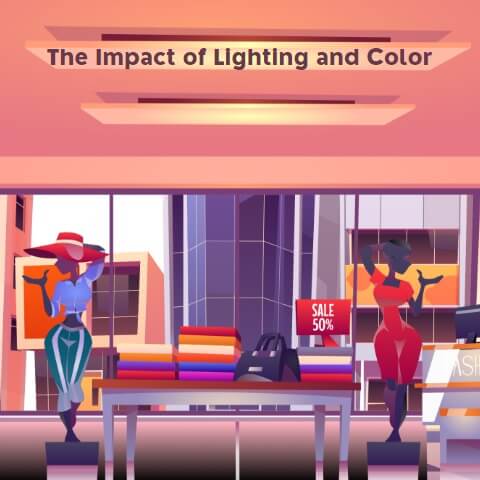
The way lighting and colour are used in a store has a big effect on how customers see the store and its products.
Retailers should consider how to use lighting and colour to create a welcoming and attractive store environment.
The lighting should be bright enough to show off the products and make the store feel warm and welcoming.
Colour should be used in a planned way to create a consistent brand image and draw attention to the most important products.
Retailers should also think about how lighting and colour can be used to create different moods or atmospheres in different parts of the store, giving customers a more personalized shopping experience that fits their needs and tastes.
3. Merchandise placement and presentation
Merchandise placement and presentation are critical components of retail store layout, as they play a significant role in attracting and engaging customers and ultimately driving sales.
Here are some elaborations for the subheadings under this section:
The Role of Product Placement on Sales
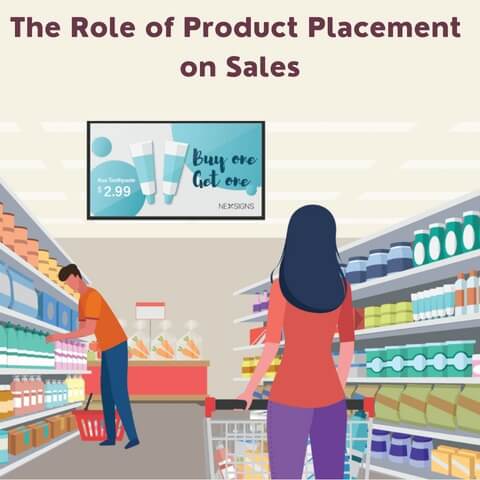
Product placement is how products are set up in a store, and it has a big effect on how well they sell.
Retailers should think about putting high-margin or popular items at eye level and in visible places to make them more visible and easy to find.
They should also think about how people move through the store and place products in a way that encourages browsing and spur-of-the-moment purchases.
The Benefits of Vertical and Horizontal Displays
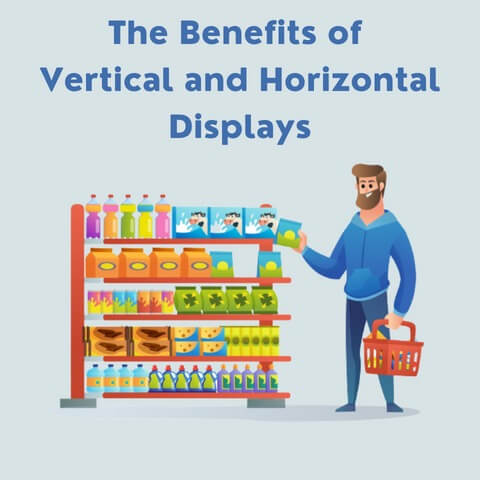
Vertical and horizontal displays can be used to showcase products in different ways, each with its own benefits.
Vertical displays, like shelving units, let stores show off a lot of products while taking up little space on the floor.
Horizontal displays, like tables or racks, can be used to show off certain products or make displays with a certain theme.
When deciding between vertical and horizontal displays, stores should think about the products they sell and how the store is set up.
The Importance of Organizing Products by Price and Category
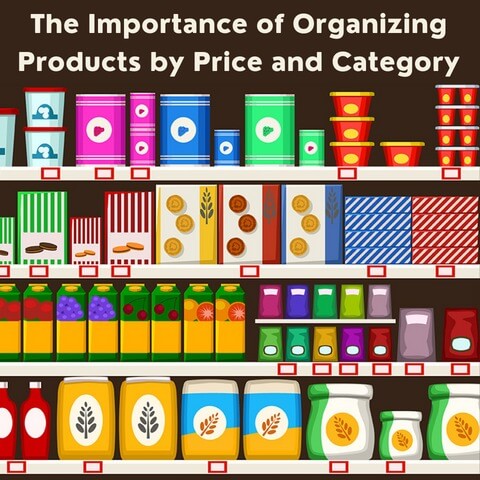
Organizing products by price and category makes it easier for customers to find what they are looking for and compare prices.
Retailers should consider how to create a logical and intuitive layout that guides customers through the store and helps them find the products they need.
This can be done with signs and displays, as well as by putting things in order by size, colour, or purpose.
The Impact of Product Availability and Inventory Management
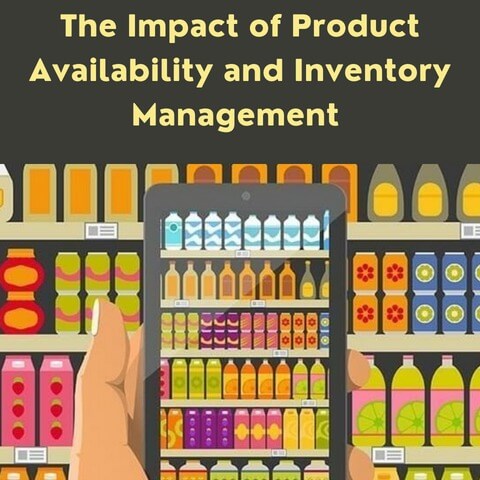
Product availability and inventory management are critical factors in merchandise placement and presentation.
Retailers should always have plenty of popular items in stock and ready for customers to buy.
They should also consider how to manage inventory levels to avoid overstocking or stockouts, which can negatively impact sales.
The Benefits of Eye-catching Signage

Customers can be drawn to certain products or parts of the store with the help of signs that stand out.
Retailers should think about where and how to put signs and make sure they fit with the store’s layout and brand image.
They should also think about how to use colour, graphics, and fonts to make a sign that looks good and gets people’s attention.
The Role of Displays in Promoting Sales
Displays can be used to show off certain products or to give the store a theme.
Retailers should think about where and how to put displays and make sure they fit with the store’s layout and brand image as a whole.
They should also think about how to use lighting and colour to make a display that is appealing and makes people want to buy something.
The Significance of Seasonal and Thematic Displays
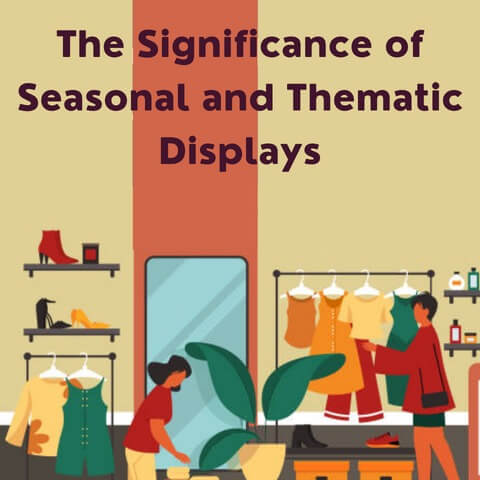
Seasonal and theme-based displays can be used to make the store feel exciting and urgent.
Retailers could use seasonal or holiday-themed displays to attract customers and get the word out about certain products.
They should also think about how to make a display that looks good and fits with the store’s layout and brand image.
The Use of Interactive Displays and Technologies
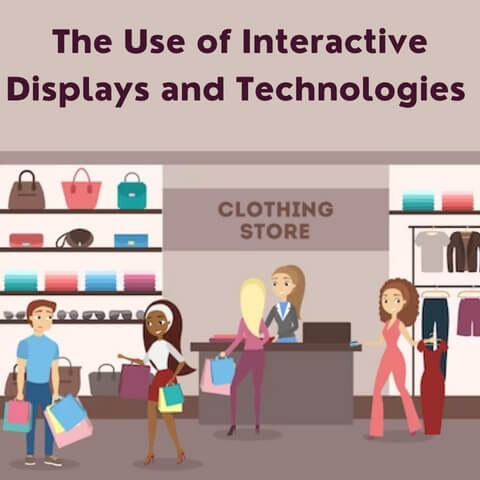
Interactive displays and technologies can be used to create a personalized shopping experience that meets the needs and preferences of the customer.
Retailers should think about using digital displays, touchscreens, or augmented reality to show off products and give customers more information or ways to customize them.
Why Retail Store Layout Matters — 4 Key Dimensions
| # | Dimension | How Layout Influences It | Retail Impact |
|---|---|---|---|
| 1 | Consumer Psychology | The layout triggers emotional and cognitive responses — comfort, curiosity, urgency — that shape what a customer pays attention to and whether they feel inclined to buy | A layout designed around psychological triggers (open space, logical flow, focal points) increases time in-store and average transaction value |
| 2 | First Impressions | The store entrance sets the tone for the entire shopping experience — a welcoming, well-lit entrance signals that the space is worth exploring and relaxes customers into a browsing mindset | Customers who enter feeling positive and relaxed browse for longer and are more receptive to displays and promotions deeper in the store |
| 3 | Buying Decisions | Strategic product placement — high-margin items at eye level, impulse products near checkout, complementary products adjacent to each other — directly steers the purchase path | Retailers who optimize placement for buying decisions report measurable lifts in both units per transaction and basket size without increasing staff headcount |
| 4 | Brand Perception | The visual coherence of the layout — consistent colour, materials, lighting, and spatial organization — communicates what the brand stands for and how it values its customers | A layout that reflects brand identity builds subconscious trust: customers associate a well-organized, visually consistent store with product quality and reliability |
Store Traffic Flow & Navigation — 4 Design Factors
| # | Design Factor | What to Do | Common Mistake to Avoid |
|---|---|---|---|
| 1 | Customer Pathway Design | Create a logical flow that guides customers through the store in a sequence that exposes them to high-margin products and key categories before reaching the checkout | Placing the highest-demand products (staples, popular SKUs) at the front — customers find what they need immediately and leave without exploring the rest of the store |
| 2 | Merchandise Placement Along the Flow | Position products at natural decision points along the customer pathway — end caps, aisle entrances, and cross-category adjacencies — to encourage browsing and unplanned purchases | Grouping all products strictly by SKU or supplier without considering the customer's natural browsing sequence — creating a layout that is logical for stock management but confusing for shoppers |
| 3 | Signage and Wayfinding | Use clear, well-positioned directional signage to help customers navigate without needing staff assistance — and promotional signage at high-traffic intersections to flag sales or new arrivals | Overloading the store with signage — when every fixture has a sign, none of them stand out; customers experience sign fatigue and ignore all of them |
| 4 | Lighting and Colour Zones | Use warm lighting in browsing zones to slow pace and increase dwell time; use brighter, cooler lighting in product-focus areas to draw the eye; use colour consistently to signal category boundaries | Uniform flat lighting throughout the entire store — removes visual hierarchy, making every area feel equally important and giving customers no cues about where to focus their attention |
8 Merchandise Placement & Presentation Tactics
| # | Tactic | How It Works | India Retail Application |
|---|---|---|---|
| 1 | Strategic Product Placement | High-margin and popular products placed at eye level (approx. 120–160 cm) in high-traffic locations; impulse products positioned near checkout; complementary products placed adjacent to each other | Used in FMCG kirana upgrades and modern trade chains across India — Patanjali and Amul products frequently placed at eye level on gondola shelves; accessories placed adjacent to electronics at retail counters |
| 2 | Vertical Displays | Shelving units and wall-mounted fixtures that maximize product volume in a small floor footprint — ideal for high-SKU categories where breadth of range is a competitive advantage | Standard in India's multi-brand electronics outlets (MBOs) and pharmacy chains where floor space is limited but range depth is a key purchase driver; also used in apparel stores for folded inventory |
| 3 | Horizontal Displays | Tables, platform risers, and rack fixtures that spread products laterally — used for hero product moments, thematic groupings, or seasonal collections that benefit from being seen at once rather than scanned vertically | Common in festival-season displays in India (Diwali, Holi, Eid) — horizontal tables grouping gift sets, combo packs, or new seasonal SKUs at the store entrance to create a high-impact arrival moment |
| 4 | Organization by Price and Category | Grouping products logically by category first, then by price within category — supported by clear category signage — so customers can quickly orient themselves and compare options without staff assistance | Critical in India's price-sensitive consumer electronics retail — organized price tiers (entry, mid, premium) within a category like air conditioners help customers self-select without requiring a sales associate |
| 5 | Inventory Management and Availability | Maintaining sufficient stock of popular items and managing replenishment to avoid empty shelf facings — out-of-stock at point of purchase is one of the highest-cost failures in retail layout execution | Particularly critical during India's high-demand sale periods (Big Billion Days, Great Indian Sale, festive season) when stock-outs in top SKUs directly transfer sales to competitors; planogram compliance audits help prevent this |
| 6 | Eye-Catching Signage | Bold, well-placed signs using colour, graphics, and concise copy to draw customer attention to specific products, promotions, or store sections — designed to align with brand identity and be legible at distance | Shelf talkers, standees, and PoSM (Point of Sale Material) are standard in India across FMCG, telecom, and consumer durables retail — TopHawks designs and installs PoSM for brands including Airtel and Daikin |
| 7 | Seasonal and Thematic Displays | Time-limited displays built around festivals, seasons, or product launches that create a sense of urgency and novelty — refreshing the store environment and giving repeat customers a reason to explore again | India's festival retail calendar (Diwali, Navratri, Eid, Christmas, Republic Day sales) creates 6–8 major seasonal display moments per year — brands that update in-store displays for each event see measurable spikes in footfall and conversion |
| 8 | Interactive Displays and Technology | Digital screens, touchscreen kiosks, QR-code product information panels, and augmented reality trials that let customers engage with products at their own pace and access more information than physical packaging allows | Increasingly used in India's premium electronics and telecom retail — Airtel, Daikin, and consumer electronics MBOs use digital demo counters; QR-linked product info is growing in modern trade chains as smartphone penetration increases across tier-2 cities |
Frequently Asked Questions: Retail Store Layout Optimization
Get in Touch
We are here for you, and we are wearing our thinking caps